
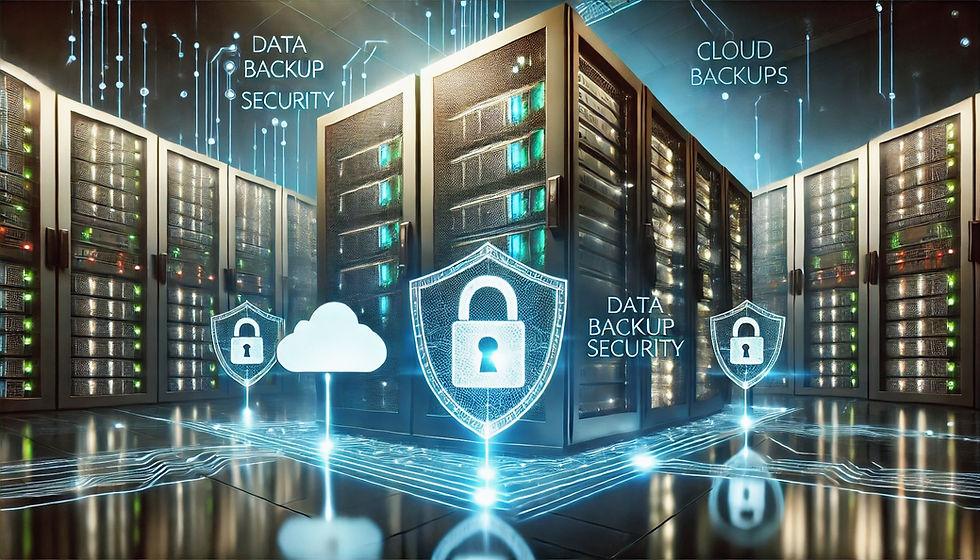
Why Every Business Needs a Reliable Backup Strategy in 2026 ???
In the modern business environment, almost every organization depends on digital data. Customer information, financial records, employee documents, business applications, emails, databases, and project files are essential to daily operations.
But what happens when that data suddenly disappears?
A failed hard drive, ransomware attack, accidental deletion, system failure, or even a power-related incident can bring business operations to a halt. For this reason, having a reliable and well-planned backup strategy is no longer optional — it is an essential part of modern IT infrastructure.
The Real Cost of Data Loss
Data loss can affect much more than files stored on a computer. Businesses may face:
- Operational downtime
- Loss of important customer information
- Financial losses
- Disruption of business operations
- Damage to customer trust
- Recovery and replacement costs
- Potential cybersecurity and compliance issues
For many businesses, even a few hours of downtime can have a significant financial impact.
Common Causes of Data Loss
Data can disappear for many reasons, including:
Hardware Failure: Hard drives, SSDs, servers, and other storage devices can fail unexpectedly.
Human Error: Accidental deletion, incorrect file modification, or improper handling of data can result in permanent loss.
Cyberattacks: Ransomware and other forms of malware can encrypt or destroy business data.
Power Problems: Sudden power failures, voltage fluctuations, and electrical issues can damage IT equipment and interrupt critical operations.
Physical Damage: Fire, water damage, theft, and other unexpected events can affect both equipment and stored data.
The 3-2-1 Backup Strategy
One of the most widely recommended approaches to data protection is the 3-2-1 backup strategy.
It means keeping:
3 copies of your important data
2 different types of storage media
1 copy stored off-site
For example, a business could maintain its primary data on a server, a local backup on a NAS or external storage system, and another backup in a separate physical location or cloud environment.
This approach reduces the risk of losing everything from a single incident.
Local Backup vs Cloud Backup
Both local and cloud backups have important advantages.
Local Backup
Local backups can provide very fast recovery and allow businesses to restore large amounts of data without depending entirely on an internet connection.
Cloud Backup
Cloud-based backup provides off-site protection and can help businesses maintain access to their data even if their primary office or IT infrastructure is damaged.
For many organizations, using both local and off-site backups provides a stronger overall recovery strategy.
Backup Alone Isn't Enough
Simply creating a backup does not guarantee that your business can recover from a disaster.
Backups should be:
- Automated whenever possible
- Regularly monitored
- Protected from unauthorized access
- Kept separate from production systems
- Periodically tested through actual restoration
A backup that cannot be restored when needed is not a reliable backup strategy.
Don't Ignore Power Protection
Reliable backup infrastructure also depends on reliable power.
Servers, storage devices, networking equipment, and backup systems can be affected by sudden power interruptions and voltage fluctuations. Using appropriate UPS and power protection solutions can help reduce these risks and keep critical IT infrastructure operating during power disturbances.
Build a Backup Strategy Before You Need It
The best time to prepare for data loss is before it happens.
Businesses should identify their most important data, determine how frequently it needs to be backed up, choose appropriate storage solutions, protect backup copies from cyber threats, and regularly test their recovery process.
A well-designed backup strategy doesn't just protect files — it protects business continuity.
Protect Your Business with the Right IT Infrastructure
At Revolution Technology BD, we help businesses build reliable and future-ready technology infrastructure, including servers, storage solutions, networking, backup systems, cybersecurity, and power protection solutions.
Because when your business depends on data, protecting that data means protecting your business.
Revolution Technology BD
Technology Solutions for a Smarter, More Secure Future